
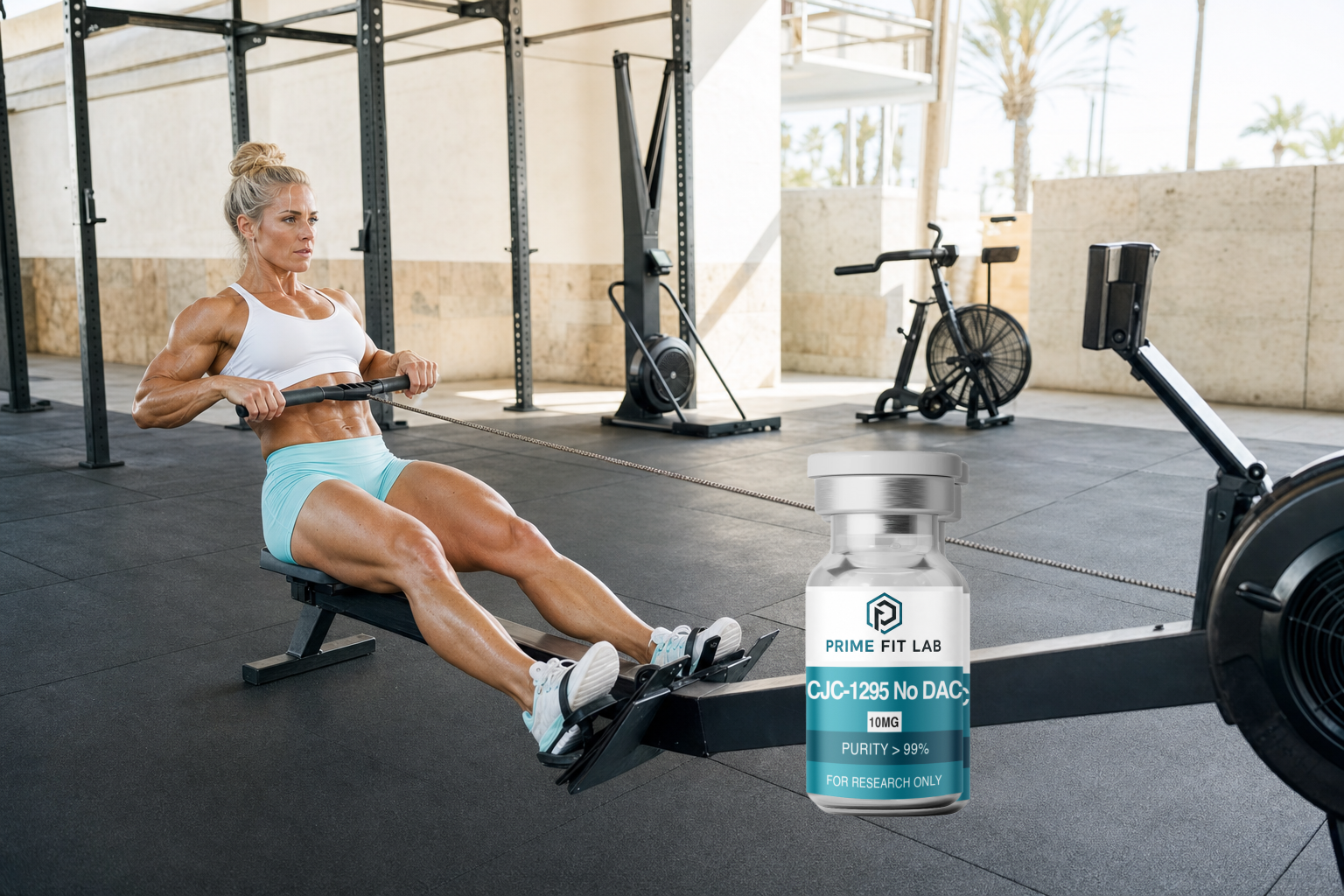
A vial marked 10 mg can look directly comparable to another 10 mg vial. For research purchasing, that assumption can create avoidable uncertainty. Knowing how to compare peptide strengths means separating labeled mass from identity, purity, formulation, and documentation before materials enter a study or analytical workflow.
“Strength” is useful shorthand, but it is not a complete scientific specification. A higher milligram amount does not automatically mean a more suitable research material. Two products may differ by peptide sequence, salt or counterion form, assay result, blend composition, storage requirements, or solution concentration. The meaningful comparison starts by defining what, exactly, needs to be equivalent.
How to Compare Peptide Strengths: Start With the Same Analyte
The first rule is simple: compare like with like. Milligram values are only directly useful when the products contain the same identified peptide and are presented in comparable forms.
For example, a 5 mg vial of one peptide cannot be treated as equivalent to a 5 mg vial of a different peptide simply because the nominal mass matches. Each compound has its own molecular structure, molecular weight, analytical profile, and research context. There is no universal conversion that makes one peptide’s labeled mass interchangeable with another’s.
The same principle applies to modified forms. Acetate, trifluoroacetate, hydrochloride, and other counterion forms can affect the labeled material’s total mass and documentation. Review the product description and corresponding certificate of analysis to confirm the exact material being supplied. If a project requires a particular sequence, form, or molecular-weight range, that requirement should lead the comparison.
Nominal Mass Is the Starting Point, Not the Full Answer
A product label may state 5 mg, 10 mg, or another nominal quantity. This figure identifies the stated amount supplied per vial, container, or unit. It is an essential purchasing detail, but it does not independently establish identity or analytical quality.
When comparing matched products, start with the amount per unit, then consider the number of units in the package and the total documented material available. A two-vial package containing 5 mg per vial may provide the same nominal total mass as a single 10 mg vial, but the packaging may better fit a workflow that benefits from smaller, separately stored portions.
That distinction matters for inventory control. A lower amount per container can reduce repeated handling of a single unit, while a larger unit may simplify procurement when a project requires a greater total amount. Neither is automatically better. The appropriate format depends on the research plan, sample-management process, and storage capacity.
Read Purity and Strength as Separate Data Points
Purity describes the proportion of the tested sample attributed to the target material under the stated analytical method. Strength, in the common purchasing sense, usually refers to the labeled mass or concentration. These values work together, but they are not interchangeable.
A practical comparison begins with the nominal amount, then reviews the reported purity percentage and analytical documentation. If two listings state the same mass but provide different purity results, they do not offer the same level of characterization. A stated 99%+ purity standard, supported by accessible lot-specific documentation, gives researchers a clearer basis for material selection than a mass claim alone.
Purity should also be read in context. A percentage without a method, chromatogram, lot number, or identity confirmation provides limited decision value. High-performance liquid chromatography is commonly used for purity assessment, while mass spectrometry can support molecular identity confirmation. The certificate should make clear which tests were performed and which lot is covered.
Do not attempt to turn a purity percentage into a universal usable-mass calculation without understanding how the supplier reports assay, peptide content, water content, counterions, and related specifications. A COA is an analytical record, not merely a marketing badge. Read the fields and test methods rather than relying on one headline number.
Compare Peptide Strengths Across Formats Carefully
The presentation format changes how the label should be interpreted. Lyophilized material, pre-prepared liquid solutions, capsules, sprays, topicals, and multi-compound blends should not be evaluated with the same shortcut.
For lyophilized peptide material, compare the stated mass per vial, peptide identity, purity result, lot documentation, and storage guidance. The vial’s apparent size or fill appearance is not a dependable proxy for mass. Lyophilized material can occupy different visible volumes depending on formulation and manufacturing conditions.
For a liquid research product, distinguish total amount from concentration. A label such as 10 mg per mL communicates a concentration, while a bottle’s total volume determines the total nominal amount present. A 2 mL container at 10 mg/mL contains a different total amount than a 10 mL container at the same concentration. Both figures belong in the purchasing comparison.
Blends require the closest reading. A blend labeled with a total mass may contain multiple compounds at specific individual amounts. The total is not enough for a project that requires verification of each component. Review the complete composition, stated amount of each analyte, and documentation supporting the finished blend. A 10 mg blend is not comparable to a 10 mg single-compound product unless the intended analyte and its individual amount are clearly established.
Use the COA to Verify What the Label Cannot Show
The certificate of analysis is the most useful tool for moving beyond surface-level strength comparisons. It connects a product listing to a defined lot and gives a researcher a record to review before purchase, receipt, or use in a qualified research setting.
A useful COA review should include the product name, lot or batch number, test date, purity result, analytical method, and identity data where provided. Confirm that the lot on the certificate matches the lot supplied or that the supplier has a documented process for making the correct lot record available.
Where relevant to the material and listing, review contaminant and heavy-metal screening claims as part of the broader quality picture. These records do not replace fit-for-purpose qualification by the receiving laboratory, but they provide meaningful supplier-side evidence for procurement review.
Documentation quality is especially valuable when comparing vendors. Two products can have matching milligram labels, yet one may offer lot-specific COAs, clear methods, stated storage conditions, and traceable product information while the other offers only a broad purity statement. For analytical and academic teams, that difference can affect whether a material is practical to receive, log, evaluate, and reproduce across projects.
Account for Storage, Handling, and Unit Design
A peptide’s listed strength remains only one part of its research value after shipment. Storage requirements, container integrity, shipping conditions, and handling records influence how consistently a research team can manage the material after receipt.
Check the supplier’s stated storage guidance and ensure it aligns with available laboratory procedures. Avoid comparing products solely on cost per milligram if one option creates additional burden through unclear storage requirements, limited documentation, or a package size that does not suit the anticipated workflow.
For repeat procurement, consistent unit design can be a major advantage. A team that purchases the same identified material, from a supplier with clear lot records and predictable fulfillment, can simplify incoming inspection and inventory records. Fast shipping and secure checkout are operational conveniences, but they should sit behind verification of identity, documentation, and research-use-only status.
A Practical Purchasing Checklist
Before adding a peptide product to a research procurement request, confirm these four points:
- The product contains the exact peptide, sequence, and applicable form required by the project.
- The stated mass or concentration is interpreted correctly for its format, including total volume or individual blend components.
- A lot-specific COA supports the listing with relevant purity and identity information.
- Storage guidance, packaging, fulfillment timing, and documentation fit the receiving laboratory’s procedures.
At Prime Fit Lab, researchers can use stated 99%+ purity standards, third-party testing presentation, and available COAs as key checkpoints while reviewing eligible research-use-only materials. The final responsibility remains with the purchaser to verify the specific listing, batch documentation, and suitability for their intended research workflow.
The most reliable comparison is rarely the product with the largest number on its label. It is the material whose identity, nominal amount, analytical record, format, and handling requirements are clear enough to support confident, documented research decisions.