
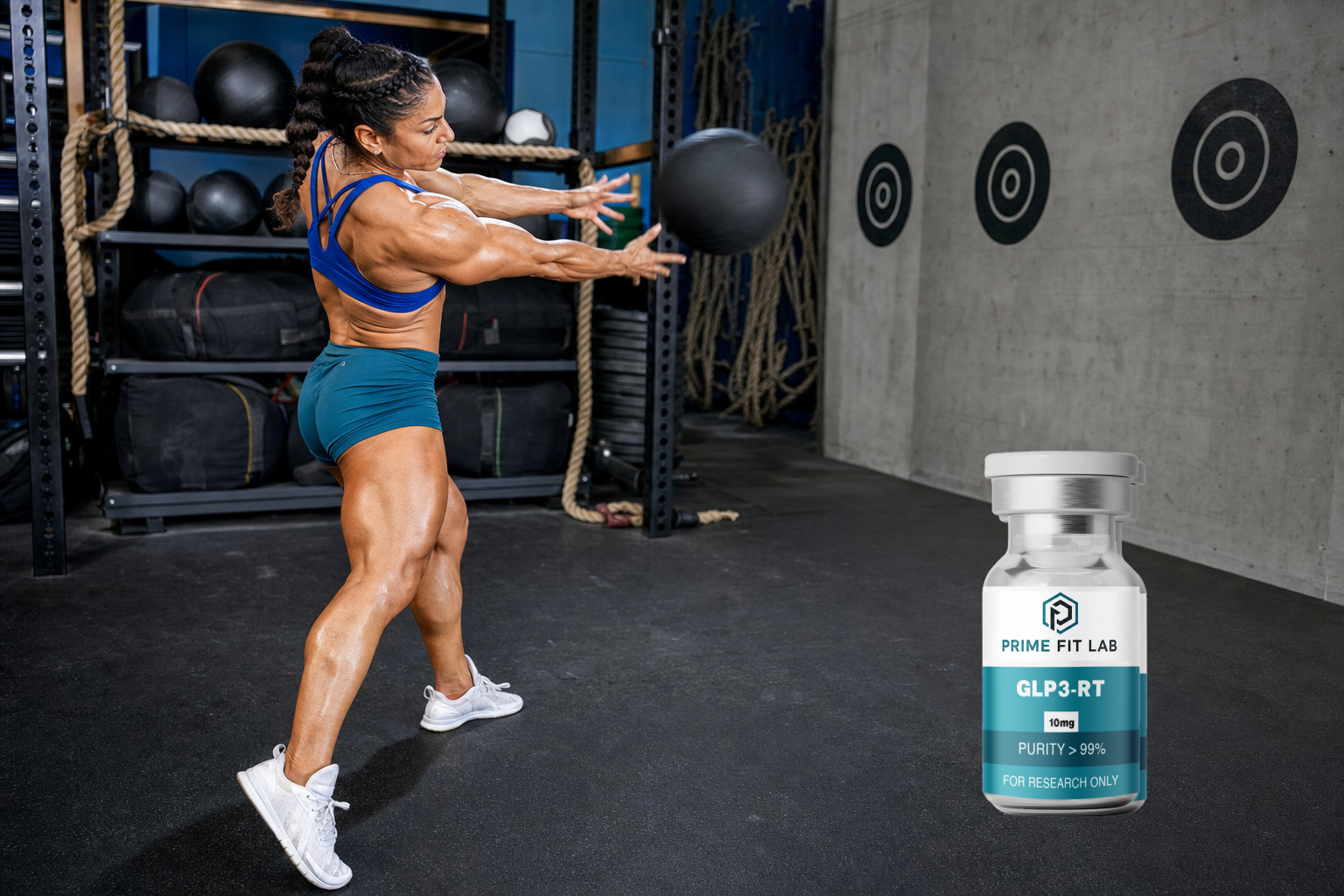
A product page can say 99%+ purity, third-party tested, and contaminant screened. Those statements may be useful starting points, but assay reports versus marketing claims should never be treated as interchangeable. For research teams, the difference is simple: a claim describes what a seller says about a product. A report provides evidence that can be reviewed, questioned, and tied to a specific material lot.
For research-use-only peptides and related laboratory materials, documentation is part of the purchasing decision. It helps a laboratory assess whether the material aligns with its internal specifications, analytical needs, storage controls, and recordkeeping requirements. The strongest product presentation does not ask buyers to accept a quality statement on faith. It makes the supporting information clear enough to evaluate.
Assay Reports Versus Marketing Claims: The Core Difference
Marketing claims are concise by design. Statements such as "99%+ purity," "third-party tested," or "heavy-metal screened" communicate a quality position quickly. They can help qualified researchers identify suppliers worth investigating, especially when product catalogs contain many compounds, formats, and concentrations.
But a broad claim does not answer every technical question. What method was used? Which analyte or property was measured? Was the report generated for the same lot being purchased? What acceptance criteria applied? Was the sample tested by an independent laboratory, and does the document identify that laboratory?
An assay report, certificate of analysis, or COA can address some of those questions. The document should connect the tested result to a defined lot, product identifier, and test method. It should also show a result rather than only repeat a specification. For example, "purity: 99.4% by HPLC" is more useful than a general statement that a catalog category meets a 99% purity standard.
That distinction matters because a passing assay result is evidence for a particular sample under stated conditions. It is not a blanket guarantee about every lot, every storage condition, or every analytical property a research program may care about.
What a Useful COA Should Let You Verify
A COA is only as useful as its traceability and technical detail. Formatting varies between suppliers and laboratories, but researchers should be able to establish a clear chain from the product listing to the material in hand.
Start with lot-specific identification. The product name, lot or batch number, report date, and sample identifier should be consistent with the label and purchase documentation. A COA that cannot be matched to the delivered lot has limited value for controlled workflows, even if its reported number looks favorable.
Next, review the test itself. High-performance liquid chromatography, commonly shown as HPLC, is frequently used to estimate chromatographic purity for peptide materials. LC-MS may help support molecular mass or identity confirmation. These methods answer related but different questions. A high HPLC purity percentage does not independently establish every aspect of molecular identity, and a mass result does not replace a purity profile.
The reporting language also matters. A specification is the acceptance threshold, such as "not less than 99.0%." A result is the observed value, such as "99.32%." Researchers should look for both. A document that lists only a target specification leaves out the actual measurement needed for lot-level review.
When relevant to the product and intended research workflow, additional documentation may cover moisture content, residual solvents, microbial limits, endotoxin, elemental impurities, or heavy metals. These tests are not universal requirements for every research material. Their relevance depends on compound class, synthesis route, form, handling environment, and the laboratory's own protocols.
A well-organized record set commonly includes:
- The product name, concentration or fill description, and a traceable lot number.
- The analytical method and the reported result for each test performed.
- The testing laboratory or responsible analytical party, plus report and test dates.
- Clear specifications, units, and any pass or fail determination.
Read Purity Claims With Method Context
Purity is one of the most visible quality claims in the research-compound market, and it is also one of the easiest terms to oversimplify. A stated 99%+ purity standard can be meaningful, but only when paired with the method, lot, and result behind it.
For example, an HPLC area-percent result describes the relative chromatographic profile under a defined method. It may be an appropriate and valuable indicator for a peptide lot. Still, it should not be casually translated into absolute content, biological activity, sterility, or suitability for a specific experimental system. Those are separate considerations requiring their own controls and documentation.
The same discipline applies to terms such as "pharmaceutical grade," "medical grade," or "clinical grade." If a product is offered strictly for research use only, broad terminology should not be allowed to blur that boundary. Qualified buyers should evaluate the actual documentation and stated intended use rather than infer a regulatory status from promotional wording.
At Prime Fit Lab, research-use-only positioning and accessible COAs are meant to keep the decision focused where it belongs: documented material quality, lot verification, and appropriate laboratory handling. Products are not represented for diagnosing, treating, curing, or preventing disease.
Third-Party Tested Is a Starting Point, Not the Finish Line
Third-party testing can provide added separation between a seller and the analytical result. That is a meaningful trust signal, particularly when the report identifies an outside laboratory and includes verifiable lot information. It can reduce reliance on a supplier's internal assertion alone.
Even so, "third-party tested" is not a complete technical description. A researcher still needs to know what was tested and when. A report may confirm purity while saying nothing about heavy metals. Another may include identity and purity but not water content. Neither outcome is automatically deficient. The question is whether the tested attributes match the material risks and documentation requirements of the planned research.
Timing also deserves attention. Analytical testing generally reflects the condition of the sample when it was tested. After delivery, storage and handling can affect material condition. Peptides and sensitive compounds should be managed according to the supplier's stated storage guidance and the laboratory's established procedures. Preserve labels, lot records, and relevant shipping documentation alongside the COA.
A Practical Review Before You Purchase
The fastest way to compare suppliers is to move from headline claims to a few document-based questions. Can you view the COA before ordering? Does the lot number on the document match the offered product or have a clear path to the current lot? Are the reported methods and results understandable enough for your quality file? Does the seller state research-use-only boundaries clearly?
For recurring orders, add operational details to the review. Confirm whether the supplier can support consistent lot documentation, whether product presentation protects the label and lot identifier, and whether fulfillment timing works with your receiving procedures. Fast shipping and secure checkout improve purchasing efficiency, but they do not replace analytical documentation. They are complementary parts of a dependable procurement process.
If a claim cannot be supported with a lot-specific record, treat it as a preliminary signal rather than final evidence. That does not mean every material needs every conceivable test. It means the evidence should be proportionate to the research use, the compound, and the level of control your laboratory requires.
Documentation Supports Better Research Decisions
Assay reports do not eliminate the need for incoming inspection, controlled storage, or method-appropriate verification within the receiving laboratory. They do provide a documented starting point for those activities. The goal is not to demand a perfect document package for every purchase. It is to understand what each record establishes, what it does not establish, and where additional controls may be appropriate.
Choose suppliers whose claims can be followed back to specific, readable evidence. When a COA, a lot number, and a clear research-use-only statement all point in the same direction, procurement becomes less about interpreting promises and more about maintaining a defensible research record.