
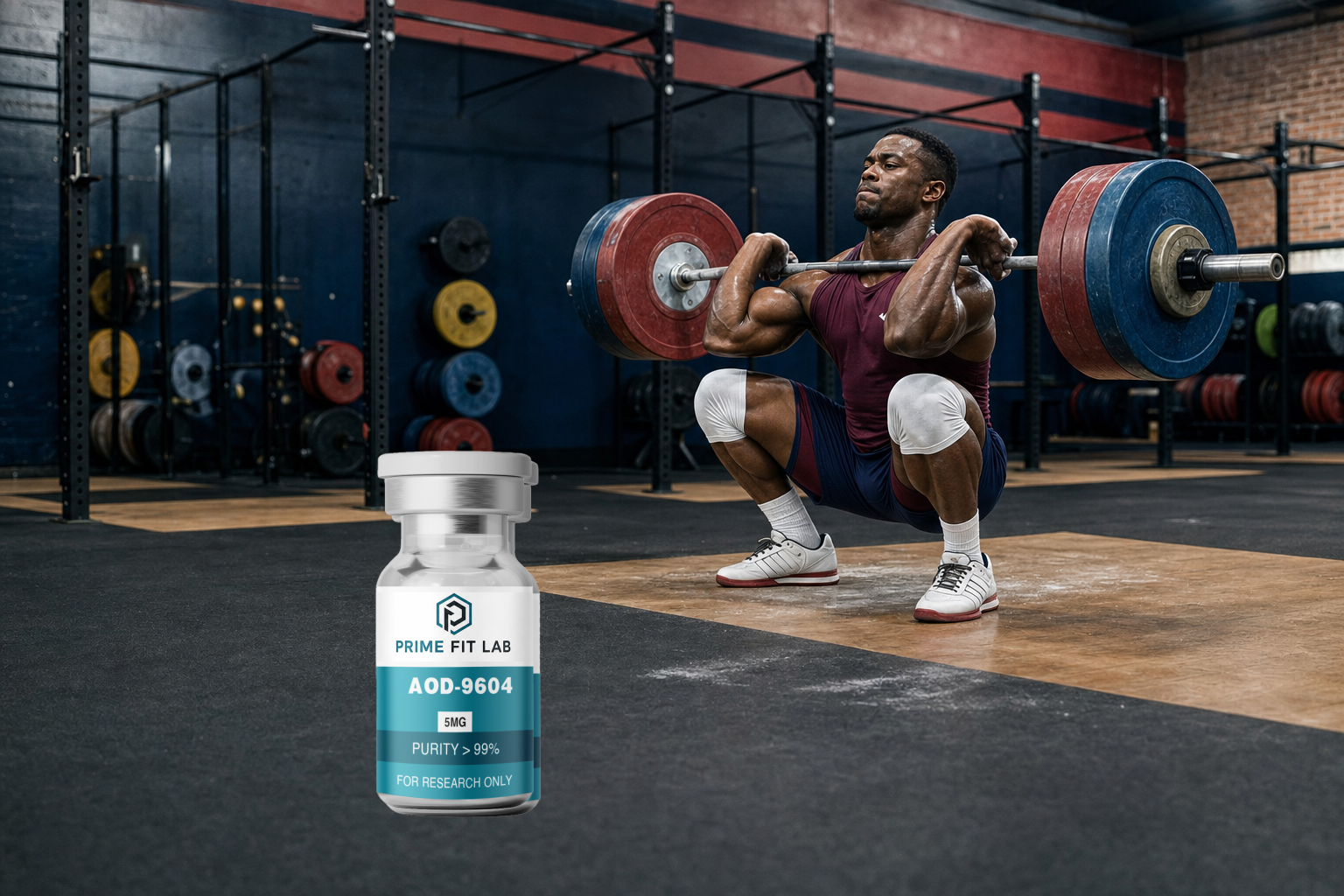
A vial label can affect far more than bench convenience. In a controlled workflow, the choice between multi-dose versus single-dose vials shapes sample integrity, traceability, inventory planning, and how confidently a team can interpret its own results. Neither format is automatically better. The right selection depends on the material, the number of planned withdrawals, the environment, and the documentation standards of the laboratory.
For research-use-only compounds, vial format should be evaluated as part of the complete product record. Identity, stated quantity, lot number, third-party testing documentation, storage requirements, and handling procedures all matter alongside whether a vial is intended for one access event or repeated access.
What separates multi-dose and single-dose vials?
A single-dose vial is packaged for a single withdrawal or one defined preparation event. Once opened, the vial is generally not intended to remain in routine circulation for later access unless the manufacturer provides specific instructions supporting that practice. The format limits repeated closure penetrations and reduces the number of handling events associated with one container.
A multi-dose vial is designed and labeled for multiple withdrawals from the same container. That designation should never be assumed from fill volume alone. A larger vial is not necessarily a multi-dose vial, and a smaller vial is not necessarily single-dose. The manufacturer’s label, product documentation, and handling guidance define the intended format.
The difference is operational. Every entry into a container introduces variables: stopper integrity, transfer technique, equipment condition, environmental exposure, time out of storage, and recordkeeping. A multi-dose format accepts repeated access as part of the planned workflow. A single-dose format is built around minimizing it.
Multi-dose versus single-dose vials in research workflows
The strongest reason to choose a single-dose vial is control over handling variability. A researcher can dedicate one container to one procedure, document its use, and avoid carrying an opened vial into future sessions. This can be especially useful when a project involves sensitive analytical work, low-volume procedures, distributed teams, or strict sample-separation practices.
Single-dose packaging can also simplify deviation review. If an unexpected result occurs, the investigation is narrower: the team can identify the specific vial used for that event rather than assess a container accessed across several days or by multiple personnel. This does not eliminate the need for good laboratory practices, but it reduces one source of uncertainty.
Multi-dose vials can be more practical when a validated research workflow requires several measured withdrawals of the same material over a limited period. They can reduce excess packaging, lessen the number of separate units a lab must receive and log, and make recurring bench work more efficient. For a team working from a defined protocol with controlled access, that convenience may be meaningful.
The trade-off is that every additional access event requires consistency. The lab needs a clear system for recording the opening date, withdrawal history when applicable, storage return time, assigned handler or work area, and any discard threshold specified by the supplier or internal procedures. Convenience without documentation is not efficiency. It is an avoidable gap in the research record.
Contamination control is about process, not just packaging
Vial selection supports contamination control, but it cannot replace disciplined handling. The risk profile changes with repeated access, yet both vial types require attention to clean preparation areas, appropriate equipment, controlled transfers, and prompt return to stated storage conditions.
For multi-dose vials, laboratories should establish access controls before the first withdrawal. That may mean assigning the vial to one study, one workstation, or one trained operator; recording the first-open date; and separating opened inventory from sealed inventory. If the product documentation identifies a specific handling window after opening, that instruction should take priority over generalized laboratory habits.
For single-dose vials, the key decision is equally straightforward: determine whether the entire contents will be used in the defined procedure and how remaining material will be managed under the supplier’s instructions and the lab’s own quality system. A single-dose designation should not be treated as permission to pool, store, or reuse remaining material outside documented procedures.
The same principle applies to closures. Do not make assumptions about a vial’s stopper, seal, or formulation based on visual appearance. Some products may have different packaging configurations for legitimate manufacturing reasons. Use the product label and accompanying documentation as the source of truth.
Documentation to review before ordering
A well-documented product allows the lab to assess vial format in context rather than as an isolated feature. Before ordering, verify that the listing and available records identify the compound, stated amount, lot or batch information where applicable, storage guidance, and research-use-only status.
Certificates of analysis are especially useful for confirming the records tied to a specific lot. Depending on the material and supplier documentation, a COA may report identity, purity, analytical methods, and screening results. A COA does not replace proper receiving inspection or handling controls, but it provides a critical reference point for purchase verification and study documentation.
When comparing suppliers, look for a clear connection between the item received and the records provided. Product names should be unambiguous, lot identifiers should be legible where applicable, and storage instructions should be available before the material reaches the bench. Claims such as 99%+ purity or third-party testing are most useful when they are supported by accessible, lot-relevant documentation rather than broad marketing language alone.
At receiving, inspect the shipment promptly. Confirm the item against the purchase record, review container and seal condition, capture the lot information in the laboratory inventory system, and place the material into its stated storage condition without unnecessary delay. These steps matter whether the package contains a single-dose vial, a multi-dose vial, or another research supply format.
Storage and inventory planning change the equation
A vial format that fits one project may be inefficient for another. A small study with infrequent use may benefit from individual units that limit open-container inventory. A recurring project with carefully controlled withdrawals may find that multi-dose packaging reduces administrative repetition and excess unit handling.
Consider the total amount of material likely to be needed during the project window, not just the price per vial. An apparently economical larger container can create avoidable waste if its contents cannot be appropriately managed after opening. Conversely, purchasing many separate single-dose units can increase receiving, labeling, and reconciliation work for a high-frequency workflow.
Storage capacity matters as well. Segregate unopened material from opened material, retain product documentation with the relevant inventory record, and use a first-expiring, first-out approach where suitable. For temperature-sensitive research materials, the time spent locating an item, reviewing paperwork, or deciding who last accessed it should be minimized through clear organization.
Prime Fit Lab presents research-use-only products with product-specific documentation and COA access intended to support this kind of purchasing review. Researchers should still confirm that the selected format, quantity, and stated storage requirements align with their institution’s policies and study plan before placing an order.
A practical decision framework
Start with the procedure, not the package. If one experiment requires a defined, isolated unit and future access would add no value, a single-dose vial is often the clearer operational fit. If several planned withdrawals are necessary and the laboratory has documented controls for repeated access, a manufacturer-designated multi-dose vial may be appropriate.
Then ask whether the team can maintain the records that format requires. For multi-dose containers, that includes opening dates, access history, storage compliance, and clear ownership. For single-dose containers, it includes accurate unit tracking and a documented approach to any unused material. If the answer is uncertain, the simpler format is often the more defensible one.
Finally, purchase based on verified information. Review the label, COA availability, stated purity standard, shipping conditions, and storage guidance before the material enters your workflow. The best vial is the one that supports clean handling, credible records, and repeatable research from receiving through final documentation.