
A certificate of analysis is only useful if the team can locate the correct version when a batch is reviewed, received, transferred, or questioned. Knowing how to archive laboratory COAs is therefore not a clerical detail. It is a practical control for maintaining product identity, supporting traceability, and separating verified documentation from files that merely look official.
For research peptides, blends, analytical standards, and support materials, a COA archive should make one question easy to answer: What documentation supports this exact lot, and can we prove the record has not been altered? A good system answers that question in minutes, not after a long search through email attachments and unnamed downloads.
Start With the Batch, Not the Product Name
Product names are useful for browsing, but batch or lot numbers are the anchor of an archive. A product may be ordered more than once, while each incoming lot can carry different test dates, analytical results, and report identifiers. Filing documents only under a product name risks connecting the wrong COA to the material on hand.
Create one record for every received lot. The record should connect the COA to the purchase order or order number, supplier, item name, lot number, receipt date, stated quantity, and storage location. If the material is subdivided internally, record the aliquot or internal sample identifiers as well. This creates a clear chain between the original received item and the containers used in research.
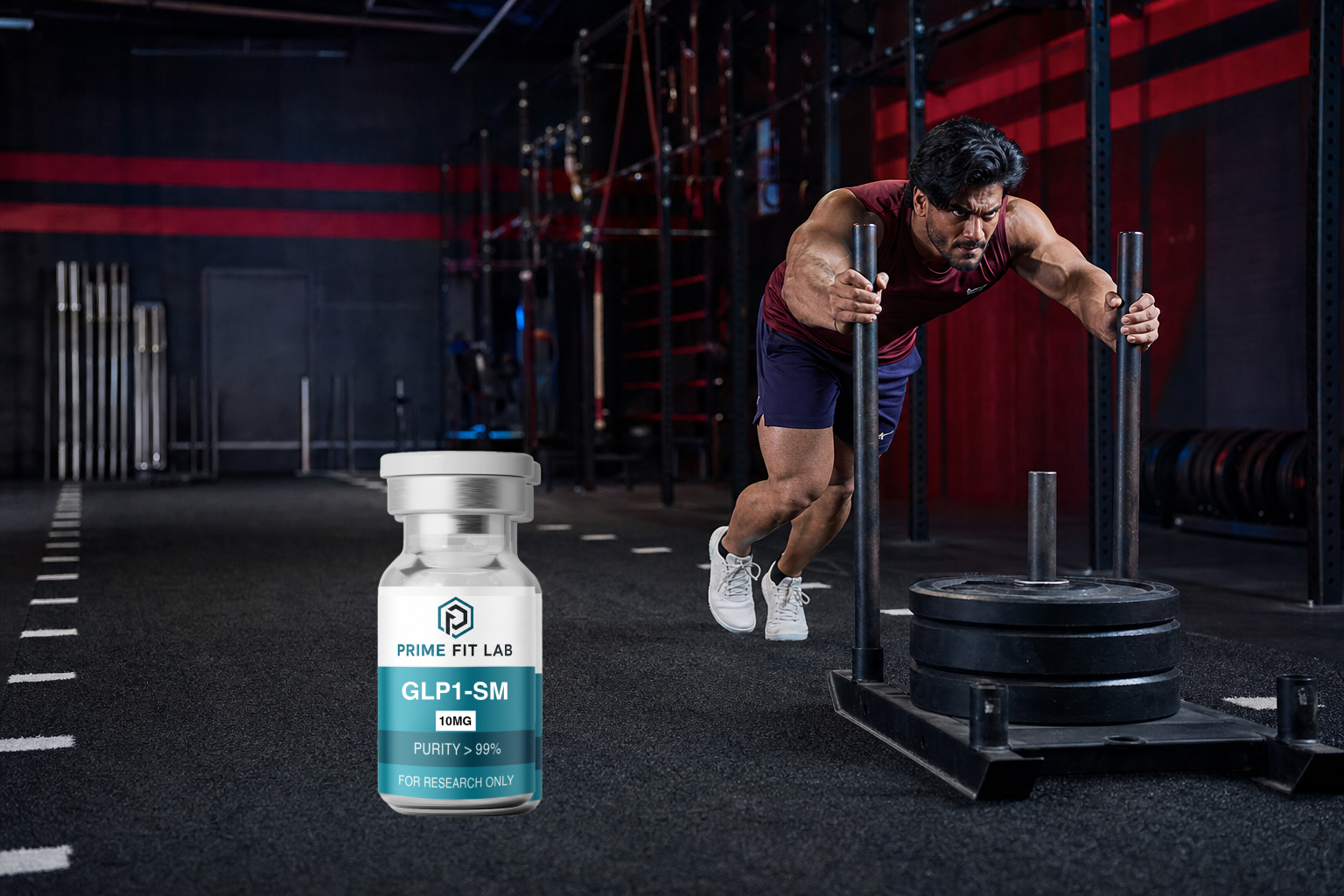
A practical folder convention might read: `Supplier_Product_Lot_ReceiptDate`. For example, `PrimeFitLab_BPC157_L24018_2026-10-06`. Keep the format consistent. The goal is not a clever naming system. It is predictable retrieval across the whole laboratory.
How to Archive Laboratory COAs Without Losing Context
The COA PDF is the core record, but it should not be stored alone. A complete archive preserves the context needed to interpret it later. That includes the supplier-facing product label, the visible lot number on the vial or package, the date received, and the version or issue date shown on the COA.
At intake, save the original digital file exactly as received. Do not edit values, crop pages, or overwrite the source document with a renamed scan. If a working copy is needed for internal review, label it clearly as a copy and retain the original as the controlled record.
For paper COAs, scan all pages at a readable resolution and confirm that lot numbers, signatures, analytical tables, and laboratory identifiers are legible. Attach the scan to the same lot record. A photograph of the received label can be helpful when there is any chance the package label and the report could later be separated.
Your intake record should capture, at minimum:
- Supplier and manufacturer or testing laboratory, when stated
- Product name, catalog identifier, and received lot or batch number
- COA report number, issue date, and test date, if provided
- Methods and results relevant to the material, such as identity, purity, heavy metals, or microbial screening
- File source, reviewer, receipt date, and any discrepancy noted during review
This does not mean every laboratory must use the same testing panel. The appropriate review depends on the compound, intended research application, supplier documentation, and internal quality requirements. What matters is that the archive preserves what was supplied and records how the laboratory evaluated it.
Verify Before You File
Archiving is not the same as approving. A beautifully formatted COA with a mismatched lot number is not evidence for the item in your inventory. Build a short verification step into receiving so errors are caught before the documentation becomes part of the controlled record.
First, compare the lot number on the physical label with the lot number on the COA. Then check the product description, concentration or fill designation where applicable, and report date. Confirm the report is complete rather than a partial screenshot or a marketing excerpt. If a third-party laboratory is identified, preserve its name and report reference in the record.
Next, look for internal consistency. Units should make sense for the reported test, acceptance statements should align with the listed result, and dates should follow a plausible sequence. A COA does not have to look identical across suppliers, but unexplained inconsistencies deserve a hold and a request for clarification.
When a discrepancy appears, do not quietly replace the document. Mark the lot as pending or quarantined according to your procedure, retain the original file, and document the question and supplier response. If a corrected COA is issued, archive both versions. Record which version was accepted and why. Version history protects the integrity of the file trail.
Build Metadata That Researchers Can Actually Search
Folders organize files, but metadata makes an archive useful at scale. A spreadsheet can work for a smaller operation. A laboratory information management system, document-control platform, or inventory system may be the better choice when many users, locations, or samples are involved.
Whichever tool you use, make the searchable fields match the questions researchers ask. Lot number should be mandatory. Product name, supplier, COA number, receipt date, status, storage location, and expiration or retest date should also be searchable where available. Add a link or file path to the controlled original rather than scattering duplicate PDFs across multiple systems.
Use a defined status field such as Received, Under Review, Approved for Research, Rejected, Expired, or Archived. That distinction matters. The presence of a COA means documentation was received; it does not automatically mean the lot meets every requirement for a particular research workflow.
For laboratories evaluating products advertised with 99%+ purity standards, retain the complete reported result, method, and lot association rather than recording only the marketing claim. The archive should support independent review of the source documentation, including any stated contaminant or heavy-metal screening, not reduce it to a single pass/fail label.
Protect File Integrity and Access
COAs are quality records. Treat them accordingly. Store controlled originals in a permission-managed location with routine backups, not only on a local desktop or inside an email mailbox. Limit editing rights, keep read access broad enough for authorized researchers, and ensure an administrator can restore prior versions.
A simple integrity practice is to save the original PDF in a read-only archive and record a file hash or checksum for high-value, regulated, or disputed materials. This may be unnecessary for every small research group, but it is valuable when documentation may be reviewed months later by a quality manager, collaborator, or client.
Access controls should fit the sensitivity of the records. Purchase details, pricing, account information, and internal evaluations may need tighter permissions than the COA itself. Separate those files where practical. Researchers should be able to confirm a lot's documentation without gaining access to unrelated commercial records.
Set Retention Rules Before Storage Becomes a Problem
There is no universal retention period for every research-use-only material and every laboratory. Retention should reflect institutional policy, sponsor obligations, study duration, supplier agreements, and whether the material contributes to work that may be published, transferred, or audited.
A sensible baseline is to retain the COA and associated receipt record for the full time the lot remains in inventory, plus the period required to support completed research records. When a lot is depleted or disposed of, do not delete its COA immediately. The documentation may still be needed to interpret prior results or investigate an inventory discrepancy.
Review the archive on a schedule. Confirm that active lots have accessible documentation, expired or superseded lots are clearly labeled, and duplicate files have not created conflicting records. This is also the right time to test retrieval: ask a team member to find a random lot's original COA, receipt record, and approval status without assistance.
Make COA Retrieval Part of Everyday Research Quality
The best archive is one researchers use before material enters an experiment. Add the lot number to notebooks, sample records, analytical worksheets, and internal transfer logs. That small habit connects downstream data to the exact supporting documentation.
For suppliers, transparency starts with making batch-specific records available. For laboratories, the work continues with disciplined intake, verification, and retention. Prime Fit Lab customers who review COAs should save the applicable lot documentation alongside their receiving records, rather than relying on a product page or a prior order as proof for a later batch.
A well-structured COA archive does more than satisfy a documentation preference. It gives researchers a dependable way to pause, verify, and proceed with a clear record of the material behind the work.