
A research order can look straightforward until the product arrives without a matching certificate, the stated strength is unclear, or fulfillment stalls after checkout. Experienced buyers evaluate peptide suppliers on more than catalog size or a single purity claim. The relevant question is whether the supplier presents enough verifiable information to support consistent, properly documented research purchasing.
For research-use-only compounds, quality signals should be visible before an item reaches the cart. Clear product labeling, accessible certificates of analysis, defined testing language, secure payment options, and dependable US fulfillment all reduce avoidable friction. No single signal is sufficient on its own. The strongest supplier evaluation comes from looking at the complete operating standard.
Start With Documentation, Not Marketing
A product page should identify the compound, stated amount, format, and research-use-only status without leaving buyers to infer critical details. Whether reviewing a single compound, a multi-compound blend, a capsule, a liquid spray, or a topical format, the presentation should make comparison efficient.
Certificates of analysis are central to that review. A COA should be tied to the relevant product or lot where applicable and should identify the testing party, testing method, date, and reported result. For peptide products, buyers commonly look for identity and purity information, along with the supplier's stated approach to contaminant screening. If heavy-metal or other contaminant screening is represented, the documentation should support that representation rather than relying on a generic badge.
A reported purity percentage is useful context, but it is not a substitute for complete documentation. A supplier that states 99%+ purity should also make it easy to understand how that standard is supported across its catalog. The difference matters when repeat ordering depends on comparable product presentation and reliable records.
Documentation also has limits. A COA does not convert a research compound into an approved medication, establish a therapeutic use, or remove the need to follow applicable handling and research requirements. A serious supplier keeps this boundary clear instead of using testing language to imply medical outcomes.
Compare Product Consistency Across the Catalog
Catalog organization reveals a great deal about how a supplier operates. Buyers who already know the compound and format they need should be able to locate it quickly, compare stated strengths, and distinguish standalone products from blends and supporting items.
Consistency means more than using similar product names. It includes clear dosing presentation, dependable category structure, recognizable labels, and descriptions that do not shift between vague marketing language and technical specifications. If a supplier carries products such as BPC-157, CJC-1295, TB-500, retatrutide, tesamorelin, ipamorelin, sermorelin, AOD-9604, GHK-Cu, NAD+, or PT-141, each listing should be organized with the same level of clarity.
Format matters as well. A buyer comparing a lyophilized peptide with a capsule, topical, or spray should not have to search through unrelated claims to establish what is being offered. The right choice depends on the research protocol and the intended format of the material, not on oversized promises. Suppliers that separate peptides, blends, alternative formats, hydration products, recovery items, and support supplies make repeat purchasing faster and reduce cart errors.
Inventory depth is valuable only when it is managed cleanly. A large catalog with inconsistent naming, unclear stock status, or scattered documentation creates more work than a focused catalog with dependable availability and straightforward product comparison.
Assess Testing Claims With Precision
Not every testing statement carries the same weight. “Tested” may refer to a broad quality process, while “third-party tested” suggests analysis by an independent laboratory. Buyers should look for the details behind the statement and consider whether the supplier consistently presents that standard across relevant items.
When reviewing peptide suppliers, assess five practical points:
- Whether certificates are available before purchase or readily accessible on the product page.
- Whether the documentation identifies the product, lot, method, and date in a usable way.
- Whether stated purity standards are specific rather than implied through general quality language.
- Whether contaminant and heavy-metal screening claims are clearly described and supported.
- Whether the research-use-only designation is explicit and not diluted by therapeutic marketing.
This is not about demanding identical documentation for every category. The relevant information can vary by compound, format, and supplier process. It is about determining whether the claims made at checkout are backed by information a knowledgeable buyer can review.
Be cautious with suppliers that rely on dramatic outcome language while providing little product-level detail. In this category, operational transparency is more useful than broad performance claims. Clear records, stated standards, and disciplined labeling are better indicators of a supplier built for repeat research purchasing.
Treat Checkout and Fulfillment as Quality Signals
A supplier's work does not end with product presentation. Secure checkout, accurate order confirmation, account access, and shipping execution are part of the buying standard. If an order cannot be placed confidently or tracked efficiently, the product catalog is only doing part of its job.
Look for established payment options, clear shipping terms, and visible customer account functionality. Account-based ordering is especially useful for returning buyers who need to review order history, confirm previous formats or stated strengths, and build recurring purchasing workflows without starting from scratch.
For US-based buyers, fulfillment timing can be a decisive factor. Same-day shipping support, defined carrier service, and a transparent free-shipping threshold provide practical information before an order is placed. For example, free FedEx 2 Day shipping above a stated order value gives buyers a clear way to plan combined purchases rather than guessing at delivery costs after building a cart.
Fast shipping should be specific, not merely promised. A supplier should distinguish between order processing, carrier transit time, cutoff conditions, and exceptions. “Fast” means little without an operational framework behind it. The same principle applies to discreet, properly packaged fulfillment: reliability is demonstrated through consistent execution, not vague reassurance.
Watch for Friction That Should Not Be There
The easiest way to identify a weak storefront is often to follow a typical purchase path. Search for a compound, open the product page, locate the documentation, confirm the format and stated amount, add the item, and review shipping before payment. Any unnecessary uncertainty in that sequence deserves attention.
Common friction points include missing COAs, product names that do not match documentation, unclear blend composition, undefined purity language, hidden shipping policies, and checkout pages that do not communicate basic security. None of these issues automatically proves a product is unsuitable, but together they make supplier comparison harder than it needs to be.
Price deserves the same disciplined approach. The lowest unit price may not represent the best research purchasing value when documentation is absent, formats are inconsistent, or shipping terms change the total order cost. Compare like for like: stated amount, format, available testing support, fulfillment method, and total delivered price. A transparent supplier makes that comparison possible without forcing buyers to contact support for routine information.
Choose a Supplier Built for Repeat Orders
The best purchasing decision is rarely based on a single listing. It is based on whether the supplier can support the next order with the same clarity as the first. That means accessible records, dependable product organization, secure transactions, and fulfillment terms that remain easy to understand.
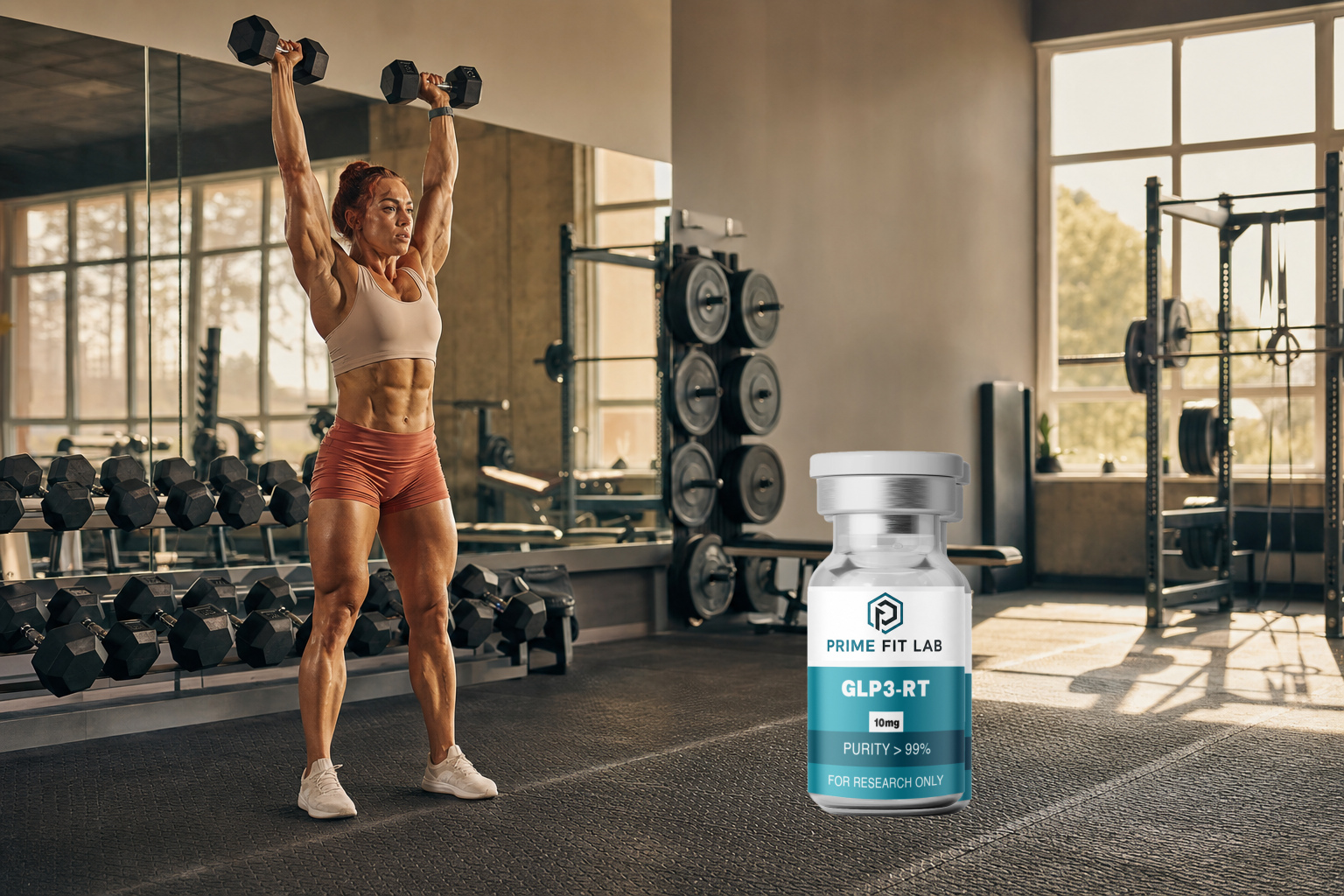
Prime Fit Lab presents this model through third-party-tested product positioning, stated 99%+ purity standards, COA access, secure PayPal and card checkout, and US shipping support. As with any research-use-only catalog, buyers should review the specific product information and documentation relevant to their order rather than treating store-level claims as a replacement for product-level review.
A dependable research-compound supplier should make careful purchasing feel efficient, not uncertain. When the documentation is visible, the product details are consistent, and fulfillment terms are direct, buyers can spend less time sorting through noise and more time selecting the materials that fit their research requirements.