
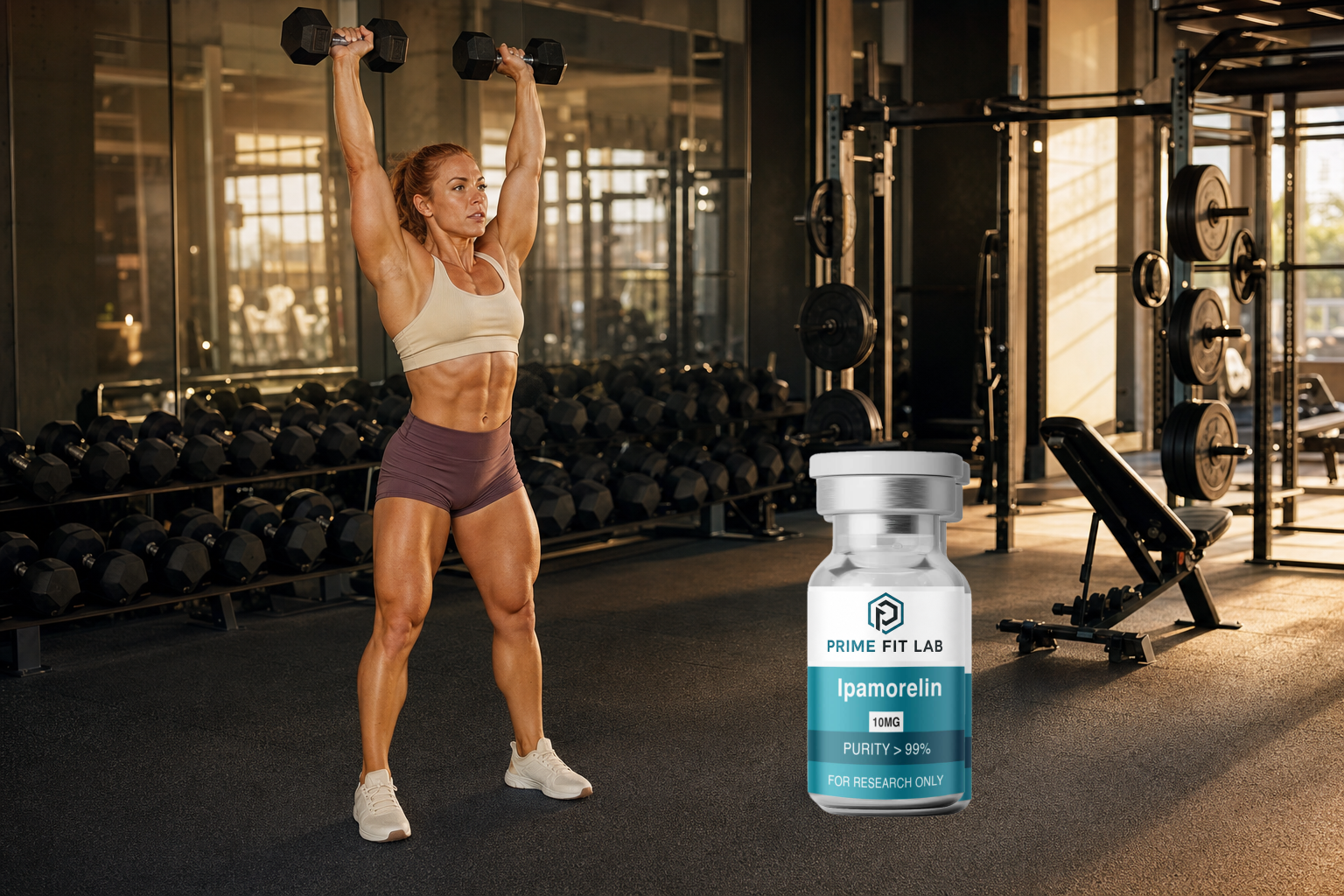
A supplier can display a purity percentage, a product image, and a few testing badges without providing the evidence a research buyer needs. Knowing how to assess supplier transparency means looking beyond the headline claim and determining whether the supplier can connect a specific product lot to clear, reviewable documentation.
For laboratory researchers and qualified independent buyers, transparency is not a branding exercise. It is the ability to verify what was tested, which batch was tested, how it was tested, and whether the supplier communicates the practical details needed to purchase, receive, store, and document research materials appropriately.
How to assess supplier transparency before you buy
The strongest suppliers make verification straightforward. They do not require customers to infer quality from vague language, and they do not treat a generic certificate as a substitute for batch-level evidence. Use the following checks to evaluate a supplier before placing an order.
1. Confirm that COAs are specific to the product batch
A certificate of analysis should do more than show a compound name and a high purity result. Review whether it identifies the product, lot or batch number, test date, and analytical laboratory or responsible testing entity. Those details create a chain between the document and the item being offered for purchase.
A batch-specific COA is especially valuable for compounds that may be ordered repeatedly over time. Manufacturing lots can change, and documentation from an earlier batch does not automatically describe a later one. If the product label, listing, or packaging identifies a lot number, that number should be reconcilable with the associated COA.
Be cautious when a supplier presents one undated PDF across an entire category or uses a sample report with no clear relationship to current inventory. A sample can illustrate format, but it should not be the only evidence supporting an active product listing.
2. Read the test methods, not only the purity number
A stated standard such as 99%+ purity is useful only when the report explains what the number measures. The analytical method matters. For research peptides and similar compounds, methods may include HPLC or UHPLC for purity profiling and mass spectrometry for molecular mass confirmation. Depending on the material and the supplier's quality program, other screening may address residual solvents, heavy metals, microbial contaminants, or related impurities.
No single method answers every quality question. HPLC can help characterize purity, while mass confirmation helps support identity. A heavy-metal screen does not replace identity testing, and a molecular-weight result does not establish a full impurity profile. The appropriate testing panel depends on the compound, format, intended research workflow, and the claims being made.
Transparent suppliers state enough about their methods for a qualified buyer to understand the scope and limits of the result. They avoid presenting a broad term such as “lab tested” as though it answers every analytical question.
3. Verify the testing source and report integrity
Third-party testing can provide additional separation between the supplier and the reported result, but the phrase alone is not sufficient. Look for the laboratory name, report date, sample identifier, and results that correspond to the listed material. A report that includes instrument method references, chromatograms, or clear specifications may offer more context than a one-line statement of purity.
This does not mean every buyer needs to audit a testing laboratory before every purchase. It does mean the documentation should be credible enough to review. Blurred reports, cropped identifiers, conflicting dates, and files that omit the tested sample description are reasonable reasons to ask questions before ordering.
If a supplier cannot explain whether a COA is generated per batch, per production run, or from periodic verification, the buyer cannot accurately judge the relevance of the documentation. Clear answers build confidence. Evasive ones add avoidable procurement risk.
4. Compare the product listing with the supporting documents
Product-page accuracy is one of the simplest transparency checks and one of the most revealing. The compound name, stated amount, format, and purity claim should align with the corresponding documentation. For multi-compound blends, verify that the listed components and their amounts are clearly disclosed rather than hidden behind a proprietary name.
This step also applies to formulation details. A lyophilized material, capsule, liquid spray, topical, and blended product each present different documentation considerations. A transparent listing identifies the format and enough relevant information for researchers to determine whether it fits their handling and analytical requirements.
Pay attention to wording that blurs category boundaries. Research-use-only materials should be presented clearly as research materials, without therapeutic positioning, dosing instructions, or claims that suggest diagnosis, treatment, cure, or prevention of disease. Defined compliance language is a sign that the supplier understands the boundary of its offering.
5. Look for traceability beyond the certificate
Supplier transparency extends from testing to fulfillment. A dependable seller should provide a clear way to identify an order, track its status, and retain purchase records. Order confirmations, invoices, account history, lot references where applicable, and accessible support channels all help research teams maintain their internal documentation.
For repeat purchasing, consistency matters. If a catalog listing changes its strength, format, or testing language, the change should be apparent rather than buried. Researchers comparing results across time need to know when the supplied material or its documentation has changed.
Packaging and labeling are part of this traceability picture. Labels should be readable and consistent with the product ordered. Where storage guidance is supplied, it should be specific enough to support proper receipt and handling. A supplier does not need to overstate storage claims, but it should not leave buyers guessing about basic product care.
6. Evaluate how the supplier handles questions and exceptions
Transparency is tested most clearly when something is not routine. Before buying, review whether the supplier provides direct, reachable support for documentation requests, order questions, damaged-package concerns, or shipping exceptions. A fast answer is useful, but a precise answer is more valuable.
Ask a focused question, such as whether the COA corresponds to the batch currently shipping or what testing is included in a specific report. The response should address the actual question without drifting into unsupported assurances. A reliable supplier can state what it knows, what a test result represents, and where the limits of available documentation sit.
Clear commercial policies matter as well. Secure checkout, stated fulfillment timing, shipping thresholds, and return or issue-resolution procedures reduce uncertainty in the purchasing process. They are not laboratory test results, but they show whether the supplier communicates responsibly after the cart is submitted.
7. Separate proof from marketing language
Terms such as premium, pharmaceutical grade, highest quality, and rigorously tested can sound persuasive while offering little that a researcher can independently verify. Treat them as marketing language unless they are supported by accessible, product-specific evidence.
The better question is not whether the website sounds confident. It is whether the site lets you examine the basis for confidence. Can you view COAs? Are purity claims tied to methods? Are batch and product details consistent? Are contaminant-screening claims defined? Can you identify the supplier's research-use-only position and get a clear answer from support?
Prime Fit Lab centers this evaluation around visible COA access, stated 99%+ purity standards, third-party testing presentation, and clear fulfillment details. Those are the kinds of signals a research buyer should expect to review, rather than accept on faith.
Make documentation part of your purchase process
Supplier assessment should occur before an item reaches the lab, not after an unexpected documentation gap interrupts a project. Build a short verification routine into procurement: review the current product details, save the relevant COA, compare identifiers, and document any clarification received from supplier support.
That process takes only a few minutes for a routine order, yet it creates a more defensible record for research teams and independent buyers alike. When a supplier makes those checks easy, you can spend less time interpreting vague claims and more time managing materials with the documentation your work requires.