CJC-1295 Research Compound Quality Standards
July 31, 2026
A CJC-1295 research compound is not a category where vague product pages or generic purity language should carry the decision. For buyers who already understand the research marketplace, the standard is straightforward: confirm compound identity, review documentation, assess handling and fulfillment controls, and keep the purchase within a defined research-use-only framework.
CJC-1295 is commonly evaluated in research involving growth hormone-releasing hormone activity and signaling related to the growth hormone and IGF-1 axis. That broad description is only the starting point. Product naming, molecular configuration, analytical documentation, and stated format all matter when comparing suppliers or maintaining a consistent research inventory.
What Defines a CJC-1295 Research Compound?
CJC-1295 is a synthetic peptide commonly discussed in two distinct forms: a version associated with Drug Affinity Complex technology, often called CJC-1295 DAC, and a shorter, non-DAC form that may also be described with different naming conventions. These are not interchangeable labels. A serious product listing should make the stated compound designation clear rather than relying on a shortened name that leaves the configuration uncertain.
For research buyers, this distinction affects how a material is categorized, compared, and documented. It also prevents an avoidable sourcing error: assuming that two products are equivalent because both use CJC-1295 in the product title. Verify the complete listed identity, stated amount, and corresponding certificate of analysis before adding an item to a research inventory.
The research record around CJC-1295 has examined its pharmacokinetic characteristics and its relationship to endogenous hormone-release pathways. That does not establish it as a therapeutic product, a supplement, or a replacement for clinical care. Research-use-only labeling is not fine print. It is the operational boundary for the product and should remain clear at every stage, from product selection through documentation and storage.
Why Documentation Is the First Quality Check
A reported purity percentage is useful only when it is supported by meaningful documentation. In the research-compound market, a certificate of analysis is the practical first checkpoint because it should connect a specific product or batch to an analytical record.
Reviewing a COA is not simply about locating a large number beside a purity claim. Look for a coherent match between the document and the product being considered. The compound name, batch or lot reference, analytical method, result, date, and issuing laboratory details should align. If a supplier states 99%+ purity standards, the supporting information should make that claim easier to evaluate, not harder.
Analytical methods matter as well. High-performance liquid chromatography is commonly used to assess chromatographic purity, while mass spectrometry may help support molecular identity. Neither label alone answers every question about a material, but together they offer a clearer quality-control picture than a product page that provides only a general statement.
For many buyers, screening claims are another point of comparison. A supplier that presents contaminant and heavy-metal screening as part of its quality process is signaling that identity and purity are not the only considerations. The value is in the evidence and consistency of the process, not in decorative testing language.
Match the COA to the Exact Listing
The most useful COA is one that can be reasonably connected to the exact compound and batch being purchased. A broad, undated document with no apparent lot reference offers less decision value than a current, batch-specific record. When documentation is accessible before checkout, buyers can make a more disciplined comparison without relying on assumptions.
This approach also helps with repeat ordering. Once a research program has established its own documentation requirements, the task becomes less about browsing and more about confirming that the same quality criteria are still being met. Clear accounts, order history, and organized product pages support that process.
Format, Packaging, and Handling Controls
Quality does not stop at an assay result. Peptides are sensitive materials, and the condition in which they are packaged, stored, and shipped affects how confidently buyers can manage them after delivery. The relevant question is not whether a supplier uses premium language. It is whether the product presentation appears controlled, consistent, and appropriate for a research-use-only catalog.
A well-organized listing should identify the stated amount and presentation without forcing the buyer to decode marketing copy. Packaging should be designed to protect the material during ordinary fulfillment, while labels should preserve essential product and batch information. Buyers comparing multiple research compounds benefit when this information is presented in a uniform format across the catalog.
Shipping operations deserve the same scrutiny. Fast fulfillment is not merely a convenience feature when a buyer is managing planned research timelines or consolidating a larger order. Reliable US shipping, secure checkout options, and clearly stated order thresholds reduce friction without distracting from the core quality question.
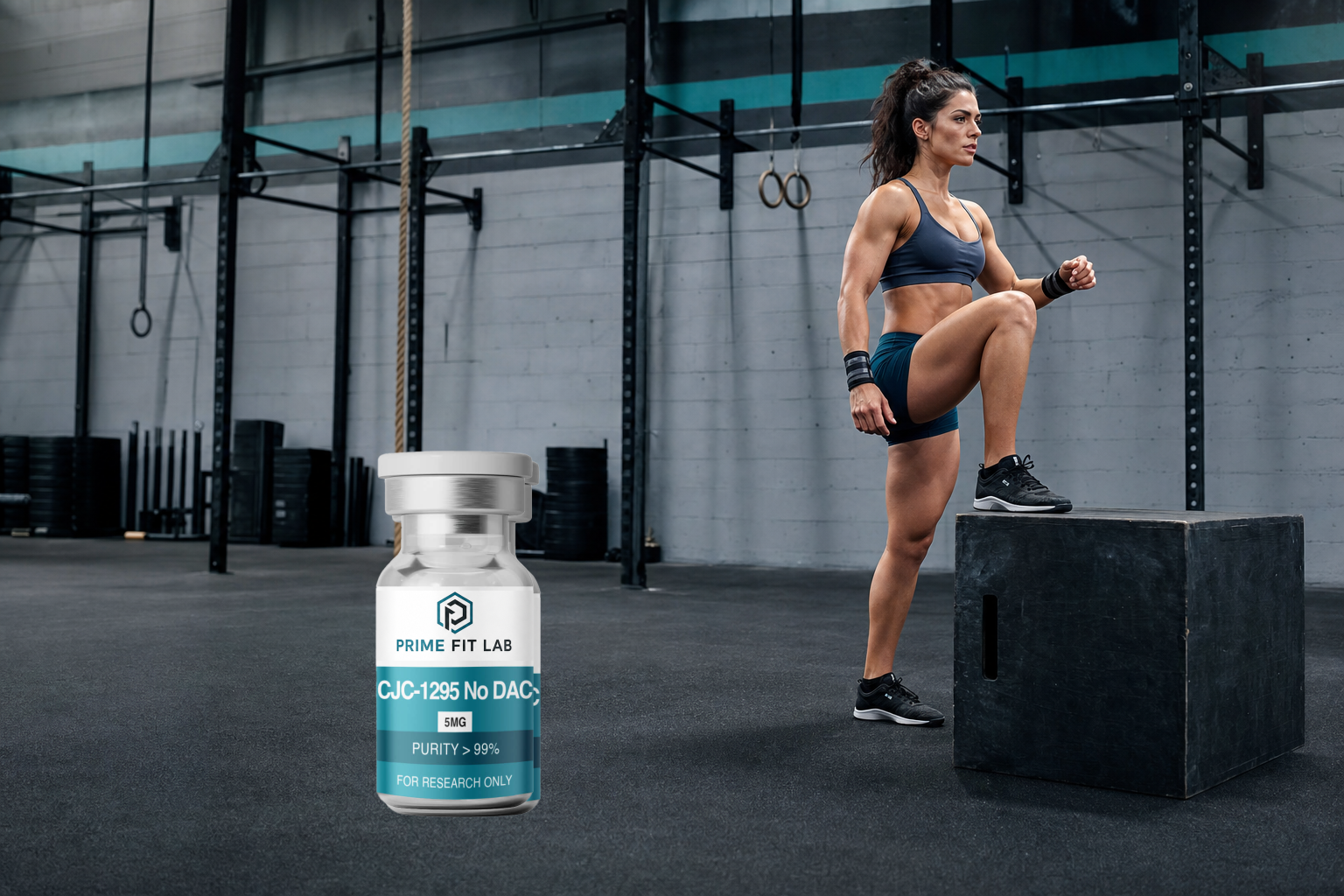
Prime Fit Lab positions its catalog around third-party-tested presentation, stated 99%+ purity standards, COA access, secure checkout, and same-day shipping support for eligible US orders. Those are the operational details experienced buyers can use to evaluate whether a supplier is built for repeatable ordering rather than one-time product discovery.
Comparing CJC-1295 Listings Without Guesswork
When several CJC-1295 research compound listings appear similar, compare the factors that can be verified. Start with the complete compound designation, then review the stated amount, documentation, testing claims, and product presentation. Price belongs in the comparison, but it should not be the only variable.
A lower-priced listing may be attractive if its documentation, identity, and fulfillment standards are equally clear. If those details are missing, the apparent savings can create uncertainty that is difficult to correct later. Conversely, a higher price is not proof of better material. The stronger listing is the one that makes its quality signals specific and reviewable.
Catalog organization can also influence purchasing efficiency. Buyers who regularly order peptides alongside blends, capsules, sprays, topicals, or support supplies should be able to locate each category without confusing different delivery formats or compound types. Clear separation reduces ordering mistakes and makes it easier to maintain a consistent procurement process.
Keep Claims Within Their Proper Boundary
Research compounds should never be evaluated through disease-treatment claims, performance promises, or implied personal-use outcomes. Those claims are not a substitute for analytical documentation, and they conflict with a research-use-only positioning.
A disciplined supplier keeps the language direct: material identity, stated quantity, testing references, shipping terms, and product handling information. A disciplined buyer applies the same standard by rejecting exaggerated claims and keeping acquisition decisions tied to legitimate research requirements.
A Practical Standard for Repeat Buyers
For repeat purchasers, the goal is consistency. Establish a simple internal standard for what must be present before purchasing: a clear compound identity, a stated amount, accessible COA information, credible testing presentation, secure payment processing, and fulfillment terms that fit the required timeline.
That standard is especially useful when inventory changes or a preferred format is temporarily unavailable. Instead of defaulting to a familiar product name alone, compare the replacement listing against the same documentation and operational criteria. This reduces unnecessary variation in the purchasing process.
CJC-1295 remains a compound where precision in naming and documentation matters more than promotional copy. Select suppliers that make quality signals visible, preserve the research-use-only boundary, and provide the practical ordering controls needed to keep serious research procurement efficient.