BPC-157 Research Peptide Buyer Verification Guide
July 30, 2026
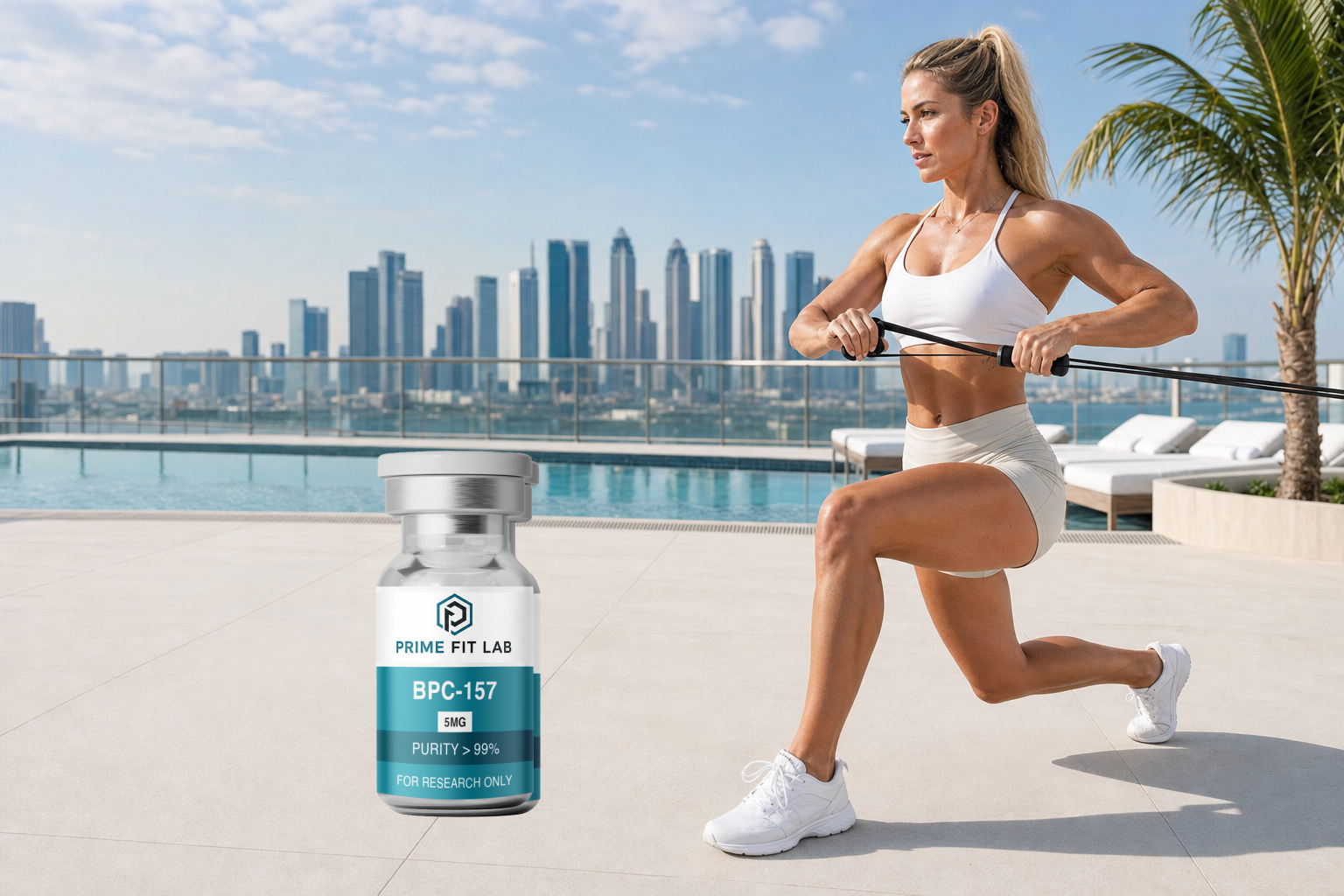
A BPC-157 research peptide purchase should be evaluated as a documentation and handling decision first. For experienced research-compound buyers, the label alone is not enough. Product identity, stated purity, lot-level records, packaging condition, and fulfillment discipline determine whether a supplier is presenting a compound in a way that supports serious research workflows.
BPC-157 is widely recognized in peptide research discussions, which makes clear sourcing standards especially relevant. High interest can bring inconsistent product presentation, vague testing language, and listings that blur the line between research materials and consumer health products. A disciplined supplier keeps that boundary clear: materials are offered for scientific research use only and are not intended to diagnose, treat, cure, or prevent disease.
What a BPC-157 Research Peptide Listing Should Establish
A credible product page should answer basic identification questions without forcing the buyer to infer critical details. The compound name should be stated clearly, along with the quantity per vial or unit, the product format, and the applicable research-use-only designation. If a product is sold as a standalone peptide, its listing should not create confusion with multi-compound blends or adjacent catalog categories.
The stated purity standard also matters, but it should be read precisely. A 99%+ purity claim is a product specification, not a substitute for reviewing the associated analytical documentation. Purity does not independently describe every aspect of a material's quality profile, including identity confirmation, residual contaminants, storage history, or whether the documentation corresponds to the actual lot being purchased.
That distinction separates a polished listing from a dependable research-compound storefront. Good catalog organization makes it easier to compare format, quantity, and documentation across products without turning a straightforward sourcing decision into guesswork.
Identity and purity are related, not interchangeable
Identity testing addresses whether the material aligns with the compound represented on the label. Purity testing addresses the relative proportion of the target material within the analyzed sample. Both are relevant, but neither should be treated as a blanket endorsement of suitability for any particular experiment.
For BPC-157, buyers should look for product presentation that treats these as separate checkpoints. A supplier that only repeats a purity percentage without explaining its testing framework gives less decision support than one that provides accessible lot-specific information and clear screening claims.
A COA is useful when it is readable and relevant
A certificate of analysis, or COA, is among the most practical documents in a research-compound purchase. It can help a buyer assess the reported analyte, method references, purity result, lot or batch connection, and date of testing. The document should be legible and specific enough to review rather than used as a decorative trust badge.
A COA also has limits. It reflects the sample and testing reported on the document. It does not replace proper storage, controlled handling after delivery, or independent verification where a research protocol requires it. Buyers with stricter institutional requirements may need to confirm whether a supplier's available records meet their internal standards before ordering.
Reading Testing Claims With the Right Standard
Third-party tested is a meaningful claim only when it is supported by a consistent process. The strongest product presentation makes it clear what is being tested and avoids using broad language that cannot be tied back to a product or lot. For research buyers, specificity is more valuable than marketing volume.
When comparing BPC-157 research peptide suppliers, evaluate the complete quality-control picture: stated purity thresholds, availability of COAs, identity and contaminant screening claims, packaging practices, and whether the seller consistently identifies products as research use only. Any one item can be useful. Together, they provide a more reliable basis for comparison.
Heavy-metal and contaminant screening claims deserve the same scrutiny as purity claims. The practical question is not whether a site uses the phrase, but whether the seller presents quality information in a way that can be reviewed before purchase. Where documentation is limited, outdated, or disconnected from the product description, the buyer has less information to work with.
This is also where catalog consistency becomes a trust signal. Product names, quantities, testing language, and documentation access should follow a clear internal standard across the store. Inconsistent labeling may not prove a product issue, but it does create unnecessary uncertainty for buyers who need repeatable procurement.
Packaging and Fulfillment Affect the Purchase Decision
Research-compound quality is not evaluated solely at checkout. Packaging and order handling influence what arrives, how easily it can be identified, and whether the delivery process fits the buyer's timeline. Clear labels, protected presentation, accurate order confirmation, and dependable shipping support are operational details, not extras.
For US buyers, fulfillment speed can be particularly relevant when coordinating lab schedules or restocking established research inventory. Same-day shipping support and defined carrier options reduce ambiguity, provided the supplier communicates order cutoffs and shipment status clearly. Free-shipping thresholds can be useful for larger orders, but they should not override the need to order only materials that match a defined research requirement.
Secure checkout is another practical signal. A supplier should offer established payment options and account tools that allow repeat customers to review order history without making the purchasing process unnecessarily complicated. Prime Fit Lab organizes research compounds and support supplies around that operational standard, with secure card and PayPal checkout and clear US fulfillment terms.
Keep Research-Use-Only Boundaries Clear
BPC-157 is not an FDA-approved drug product. A responsible supplier does not imply otherwise, and a responsible buyer does not treat a research listing as medical guidance. Product descriptions should avoid claims about treating injuries, accelerating recovery, changing body composition, or producing health outcomes.
That boundary is not merely legal wording placed at the bottom of a page. It affects the entire quality of the buying experience. Research-focused presentation centers on compound identification, analytical records, and handling information. Therapeutic-style promotion centers on outcomes that a research-use-only retailer is not positioned to promise.
The difference is easy to recognize. One approach gives buyers information they can evaluate. The other substitutes broad claims for documentation. For purchasers who already understand the category, the first approach is more useful and more credible.
A Better Standard for Repeat BPC-157 Orders
Repeat purchasing should not mean lowering the verification standard. It should mean making verification faster because the supplier has demonstrated consistency over time. Keep a record of the lot documentation reviewed, the product format ordered, shipment condition on arrival, and any differences in labeling or supporting materials between orders.
This practice is especially helpful when comparing multiple research compounds or maintaining a recurring procurement process. It creates a simple baseline for determining whether a supplier's product presentation remains consistent. If a listing changes, a COA is no longer accessible, or fulfillment communications become unclear, those changes are worth reviewing before placing another order.
Price remains part of the calculation, but it is rarely the only relevant variable. A lower listed price can lose its advantage if the associated documentation is incomplete, the format is unclear, or the ordering process adds avoidable uncertainty. For serious research buyers, the better value is often the supplier that makes identity, testing, transaction security, and fulfillment easier to verify.
The most useful closing question is straightforward: can the supplier provide enough clear, product-specific information for you to make a research-use-only purchase with confidence? If the answer depends on assumptions, keep comparing.